The first few months of a relationship feel exciting constant texts, long talks, and the rush of discovering someone new. But this early stage is also when many couples accidentally set unhealthy patterns around communication, boundaries, and expectations. Those patterns can quietly turn into resentment, anxiety, or breakups later.
Many people repeat the same common dating mistakes without realising it: moving too fast, ignoring red flags, dropping their own lives, or pretending to be someone they’re not. Understanding the biggest dating mistakes new couples should avoid helps you build a healthier bond from the start instead of fixing damage later. Below is a clear list of early relationship mistakes to watch for, plus what to do instead.
Why Early Dating Mistakes Matter So Much
The early phase of a relationship is when you both “teach” each other what is normal how you communicate, how you handle conflict, and how you treat each other’s boundaries. If you avoid hard conversations, over‑sacrifice, or accept disrespect at the beginning, it becomes much harder to change course later.
Experts emphasise that repeated small mistakes like poor communication, weak boundaries, or ignoring warning signs tend to matter more than one big argument. By spotting these patterns early, you can correct them while things are still new, fun, and flexible instead of waiting until frustration has built up.
Mistake #1 – Moving Too Fast and Idealising the Relationship
One of the most common early relationship mistakes is rushing into labels, future plans, or intense commitment before you really know each other. You might start talking about moving in, marriage, or long‑term plans within weeks, driven more by excitement than reality. This can create pressure and make it hard to step back if you notice issues later.
Early idealisation putting your partner on a pedestal and ignoring their flaws is another big risk. Dating coaches and therapists warn that fixed timelines and rigid expectations (“We have to move in by six months” or “We should know we’re soulmates by now”) can leave both people feeling like they are failing if things unfold more slowly. A healthier approach is to slow the pace, give the relationship time to breathe, and allow trust and compatibility to reveal themselves naturally.
Mistake #2 – Ignoring Red Flags and Your Own Needs
When you really like someone, it’s easy to overlook relationship red flags like disrespect, controlling behaviour, lying, or inconsistent communication. Many people are so afraid of being alone that they minimise dealbreakers or tell themselves things will get better later. In reality, patterns of disrespect or control usually intensify, not disappear, over time.
Another quiet mistake is ignoring your own emotional needs and values. If you never ask “What do I need to feel safe, respected, and happy?”, you might adapt to whatever the other person wants and only notice your resentment once you’re attached. Paying attention to your gut feelings, your history, and recurring patterns in past relationships can help you notice when something isn’t right before you’re in too deep.
Mistake #3 – Not Setting Healthy Boundaries from the Start
If you don’t set boundaries early, you silently teach the other person what you will tolerate. Once a pattern is established — always saying yes, answering messages instantly, canceling your plans for theirs — it becomes very difficult to change without conflict.
Examples of weak boundaries include:
- Letting your schedule be controlled or constantly rearranged for them.
- Accepting behaviour you’re not okay with (like last‑minute cancellations or intrusive questions) to “keep the peace.”
- Sharing passwords, devices, or personal information before you feel comfortable, because you’re scared to say no.
Healthy relationships involve clear boundaries around time, communication, social media, and physical intimacy. The best time to set them is as soon as something feels off calmly, honestly, and without blame.
Mistake #4 – Poor Communication or Avoiding Hard Conversations
“Communicate everything, early, often, always” is a recurring piece of advice from people reflecting on failed relationships. Yet in new relationships, many people avoid sharing needs, expectations, or concerns because they don’t want to “rock the boat.” That avoidance often leads to misunderstandings, resentment, or silent breakups later.
Another mistake sits at the opposite extreme: oversharing very personal trauma or past relationship drama in the first few weeks. While vulnerability is important, unloading everything too quickly can overwhelm a new partner and shift the dynamic into therapy instead of mutual discovery. The healthier middle ground is open, regular, honest communication sharing how you feel, asking questions, and raising small issues before they turn into big ones.
Mistake #5 – Dropping Your Friends, Life, and Hobbies
It’s tempting to spend all your time with a new partner, but ditching friends, community, and hobbies is a classic new relationship mistake. When you abandon your own life, the relationship quickly becomes your only source of happiness and support, creating unhealthy dependence.
Relationship experts stress that losing your independence and identity often leads to resentment and burnout later. Keeping your own schedule, friendships, and routines is not a threat to the relationship it’s actually a key ingredient in long‑term health. A balanced life makes you a more interesting, fulfilled partner and protects you if the relationship doesn’t last.
Mistake #6 – Relying Blindly on Social Media and Texting
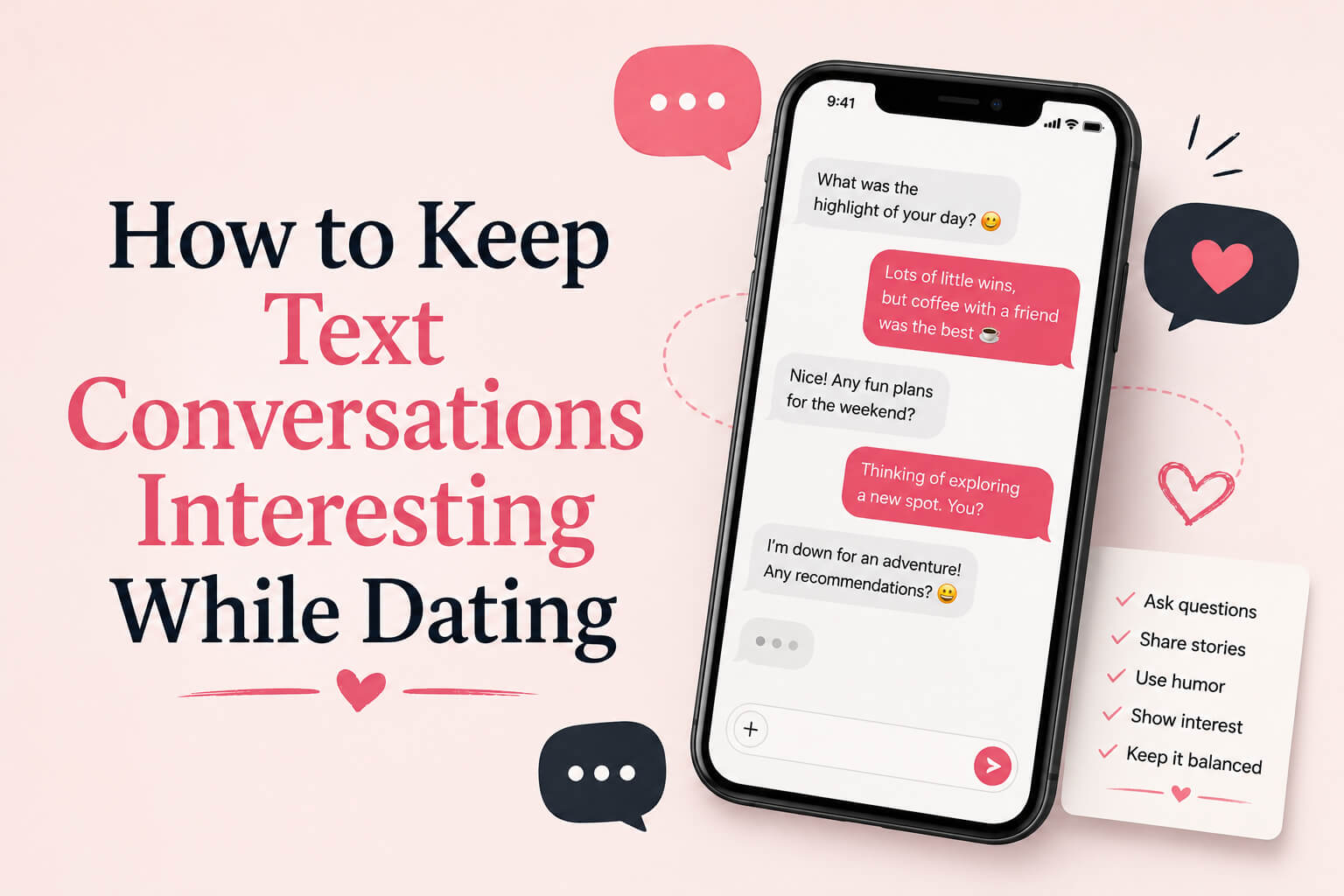
Another big early dating mistake is building the relationship almost entirely online. Constantly checking “last seen,” reading into likes or stories, or stalking their social media can create anxiety and false assumptions. Comparing your relationship to curated couples online often makes you feel like you’re doing it wrong, even when things are normal.
Texting is useful, but letting misunderstandings grow over text instead of talking in person makes small issues bigger than they need to be. A healthier approach is to prioritise real‑life connection, use calls or face‑to‑face conversations to resolve confusion, and remember that social media is a highlight reel, not the full story.
Mistake #7 – Focusing Only on Physical Attraction or Rushing Intimacy
Physical attraction matters but focusing only on looks and chemistry while ignoring values, character, and compatibility is one of the most common dating mistakes. When you move very fast physically or sexually before emotional trust is built, it can cloud your judgment and make it much harder to walk away from an unhealthy relationship later.
Many coaches recommend pacing physical intimacy and talking openly about comfort levels, consent, and expectations. When you give yourselves time to see how you handle stress, conflict, and day‑to‑day life, you can tell whether the connection is truly solid not just fuelled by hormones and infatuation.
Mistake #8 – Not Being Yourself (Performing a Role)
In new relationships, it’s easy to slip into performing: you laugh at things you don’t find funny, hide your real opinions, or pretend to like activities you actually dislike. Over time, this turns into a major relationship mistake you end up in a connection where your real self isn’t known or accepted.
Experts warn that hiding major beliefs, lifestyle choices, or dealbreakers just to “keep” the relationship almost always leads to conflict and resentment later. It’s far better to be honest about who you are and what you want, even if that means some people opt out early. Being accepted for your real self is the foundation of a lasting, healthy partnership.
Mistake #9 – Staying in One‑Sided or “Almost” Relationships
A common trap is settling for someone who doesn’t match your effort, commitment, or respect. Signs of a one‑sided relationship include:
- You always initiate conversations and plans.
- You compromise far more than they do.
- They avoid defining the relationship, keep you “in limbo,” or treat you as a backup.
Many people hope their partner will “change later,” but therapists note that hoping someone will become more committed or respectful over time is a frequent dating mistake. A healthier mindset is to match energy: if someone consistently shows you lukewarm effort, be willing to walk away from half‑hearted connections.
Mistake #10 – Not Knowing What You Want from Dating
Drifting into relationships without clarity about your values or goals often leads to mismatched expectations, confusion, and heartbreak. You might say yes to a serious relationship when you actually want something casual, or stay with someone who doesn’t want commitment because you’re afraid of starting over.
Dating purely out of fear of being alone rather than genuine choice is another subtle but powerful mistake. Before getting serious, it helps to make a simple, honest list of your non‑negotiables and relationship goals: what you’re looking for, what you can compromise on, and what you can’t. This clarity makes it easier to walk away from situations that aren’t aligned.
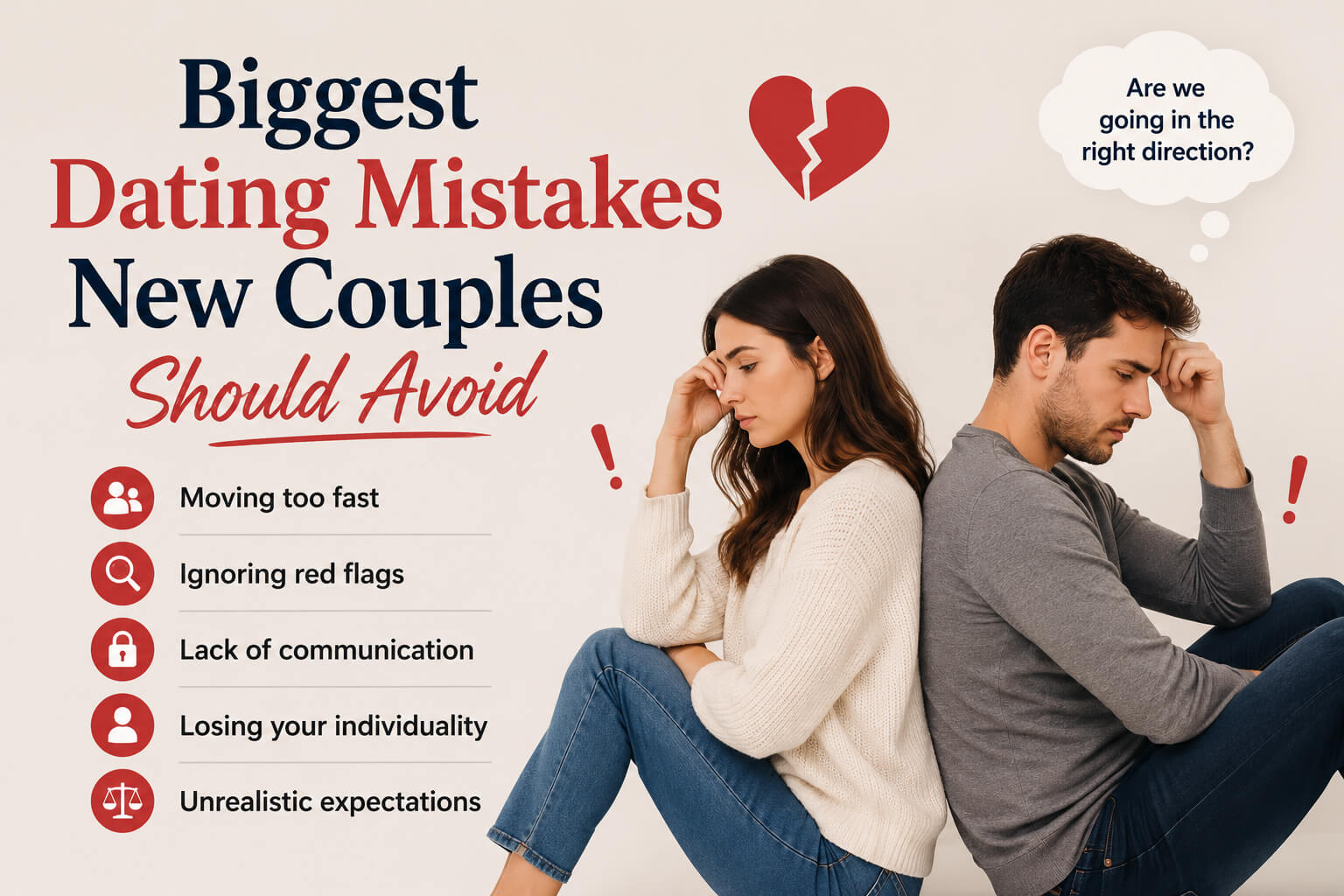
Quick Summary – Biggest Dating Mistakes New Couples Should Avoid
In the early stages, try to avoid:
- Moving too fast and idealising the relationship.
- Ignoring red flags and your own needs.
- Not setting or respecting healthy boundaries.
- Avoiding honest communication or oversharing too soon.
- Dropping friends, hobbies, and your personal life.
- Relying too much on social media and texting.
- Focusing only on physical attraction or rushing intimacy.
- Pretending to be someone you’re not.
- Accepting a one‑sided or “almost” relationship.
- Not being clear about what you want from dating.
These small shifts dramatically increase your chances of building a relationship that actually lasts.
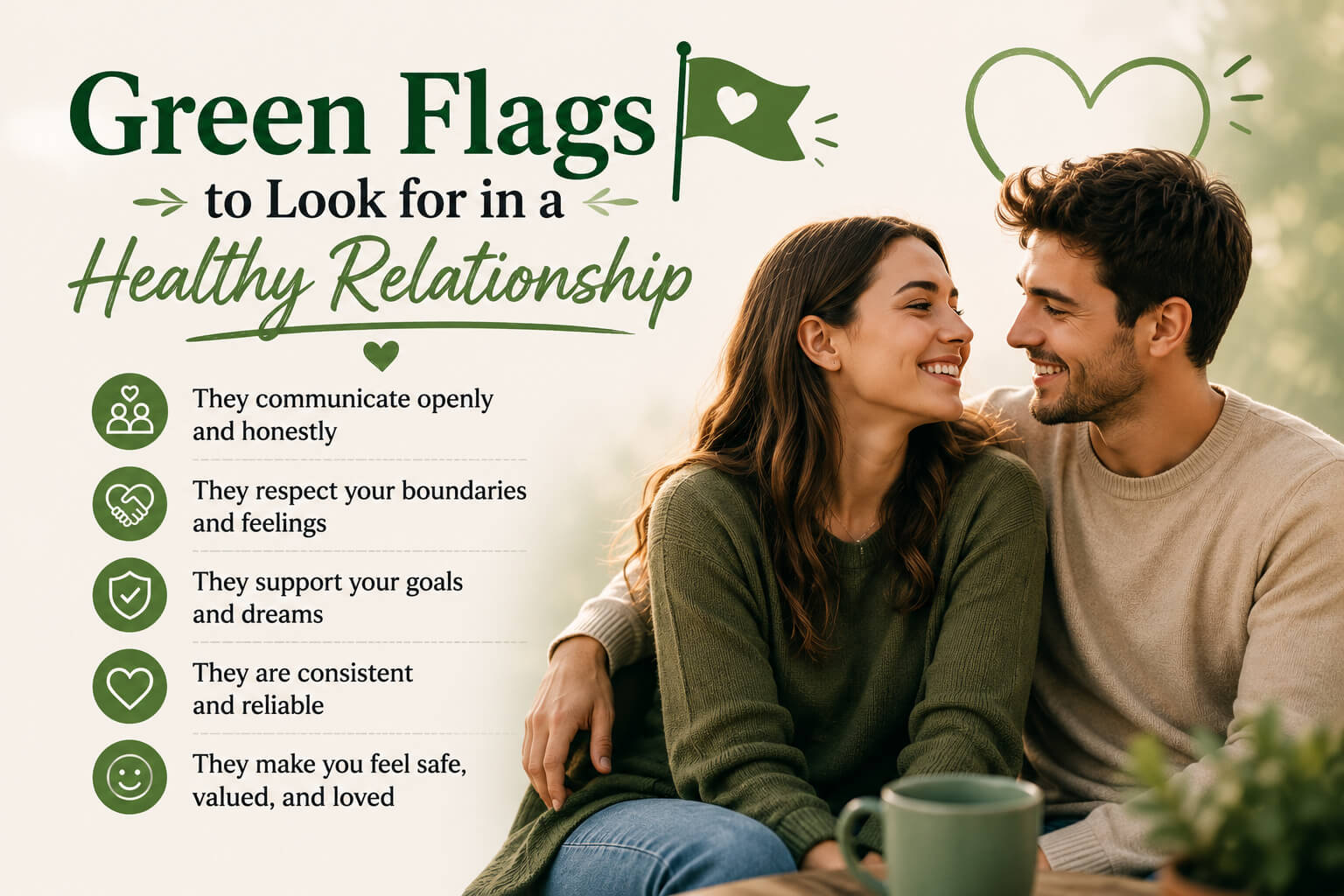
How to Build a Healthy New Relationship Instead
Avoiding mistakes is only half the picture; you also need positive habits.
- Communicate clearly about expectations, boundaries, and feelings, even when it’s uncomfortable.
- Maintain your identity, friendships, and routines so you don’t lose yourself in the relationship.
- Take time to truly get to know each other’s values and relationship history, not just hobbies and surface traits.
- Watch actions, not just words — consistency, respect, and effort matter more than big promises.
- Be willing to leave unhealthy situations, even if you’re attached. Ending the wrong relationship is what frees you for the right one.
Healthy relationships aren’t perfect; they are honest, respectful, and willing to grow.